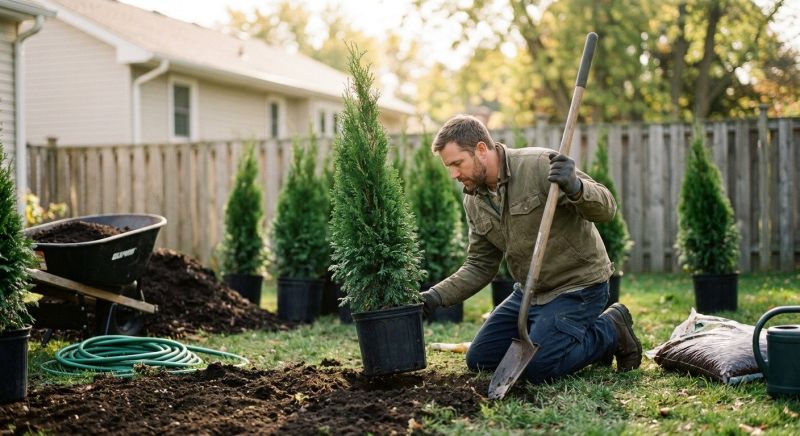
Privacy Trees Planting in Honolulu, HI
Privacy Trees Planting services focus on selecting and planting trees that enhance privacy and screening on residential properties. These projects typically involve planting fast-growing or dense tree varieties along property lines, fences, or specific areas where homeowners desire increased seclusion. Property owners often want to understand the types of trees suitable for their climate and landscape, the spacing needed for optimal privacy, and considerations for future growth and maintenance to ensure long-term satisfaction.
Before requesting privacy tree planting, property owners usually seek guidance on site conditions such as soil quality, available space, and existing landscaping. It’s important to consider how mature trees will impact nearby structures, underground utilities, and overall yard aesthetics. Clarifying goals for privacy, as well as any preferences for native or non-native species, can help ensure the selected trees meet both functional and visual expectations for the property.
Many property owners in Honolulu, HI look into Privacy Trees Planting for repairs, replacements, upgrades, and appearance-related improvements.
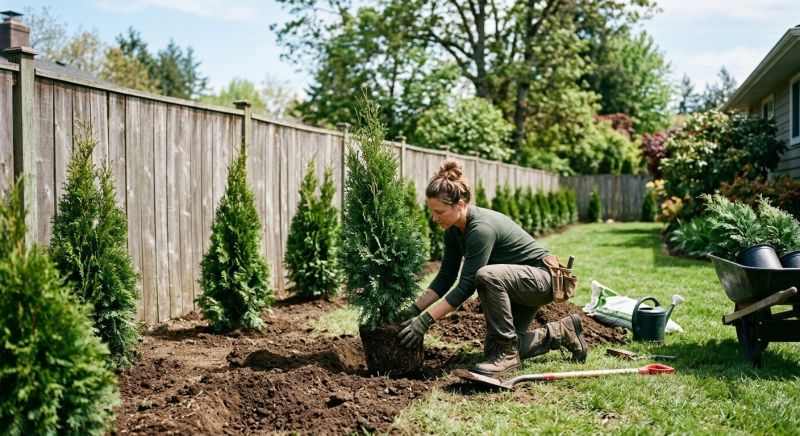
Privacy Tree Selection
Choosing the right trees can enhance privacy and complement your landscape.
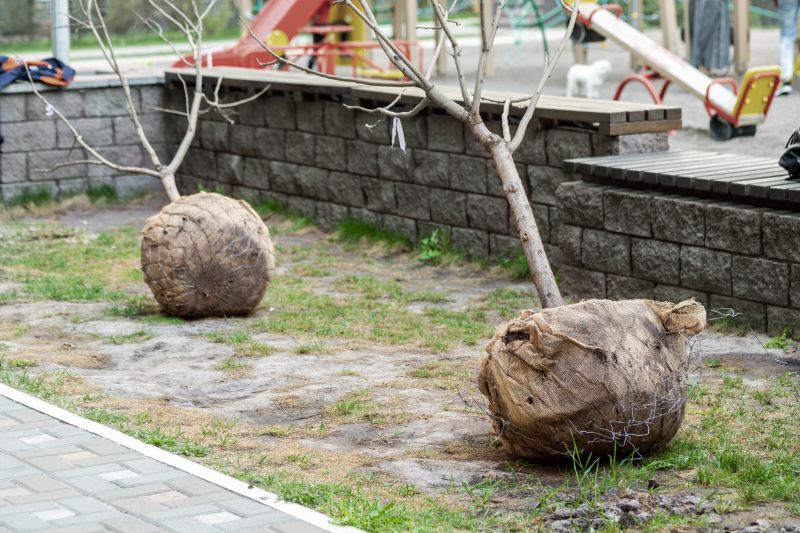
Planting And Maintenance
Proper planting ensures healthy growth and long-lasting privacy barriers.
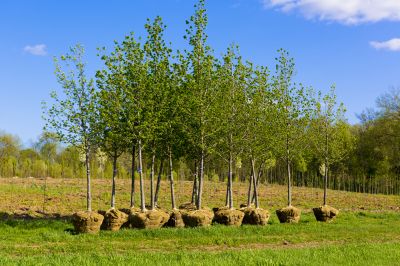
Design For Privacy And Appeal
Strategic placement creates natural screens while adding beauty to your property.
Privacy Trees Planting in Honolulu, HI

Privacy Trees Planting services focus on selecting and planting trees that enhance privacy and screening on residential properties. These projects typically involve planting fast-growing or dense tree varieties along property lines, fences, or specific areas where homeowners desire increased seclusion. Property owners often want to understand the types of trees suitable for their climate and landscape, the spacing needed for optimal privacy, and considerations for future growth and maintenance to ensure long-term satisfaction.
Before requesting privacy tree planting, property owners usually seek guidance on site conditions such as soil quality, available space, and existing landscaping. It’s important to consider how mature trees will impact nearby structures, underground utilities, and overall yard aesthetics. Clarifying goals for privacy, as well as any preferences for native or non-native species, can help ensure the selected trees meet both functional and visual expectations for the property.
Many property owners in Honolulu, HI look into Privacy Trees Planting for repairs, replacements, upgrades, and appearance-related improvements.
Common Privacy Trees Planting Jobs
Tree planting projects involve selecting and planting native or ornamental trees to enhance property landscapes.
Shade tree installations provide natural cooling and improve outdoor comfort around homes.
Ornamental tree planting adds visual interest and aesthetic appeal to gardens and yards.
Environmental restoration focuses on reintroducing trees to areas that have experienced deforestation or degradation.
Community tree initiatives support neighborhood beautification and promote local greenery efforts.
Tree replacement services involve removing old or damaged trees and planting healthier, more suitable varieties.
Privacy Trees Planting Questions
What are privacy trees used for? Privacy trees are planted to create natural screens that block views and provide seclusion for outdoor spaces.
Which types of trees are suitable for privacy planting? Fast-growing, dense varieties like ficus, bamboo, and certain evergreen species are commonly used for privacy screening.
How tall do privacy trees typically grow? The height varies by species, but many privacy trees can reach 10 to 20 feet or more for effective screening.
Are privacy trees suitable for small yards? Yes, there are compact and narrow tree options that provide privacy without taking up too much space.
Request Privacy Trees Planting in Honolulu, HI
Use the quote form on this page to share the basics of your project and request more information for the type of work you need.